
Preservation
Preservation is not about holding culture or Country in place. It is about keeping them strong through use, knowledge and responsibility. This work sits across everything we do. It shows up in how knowledge is shared, how ceremony is maintained, how we care for our rivers, and how we document and protect our history.


Cultural Education
Knowledge is carried by our Elders and shared in a way that respects where it comes from.
They teach our children and members of the Stolen Generations about Country, ecosystems, laws and customs. This includes practical knowledge such as identifying areas rich in food and resources, and understanding how to live sustainably on Country.
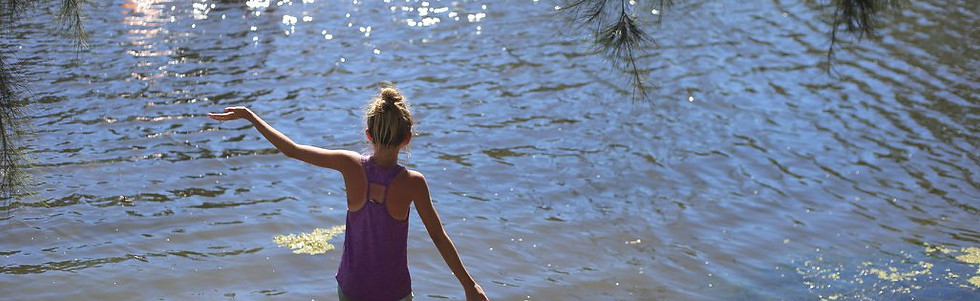
Cultural camps bring this learning into practice. Being on Country allows people to reconnect and learn in a way that cannot be replicated elsewhere.
Ceremony
Ceremony continues what has always been here. It connects people to Country and to each other. It reinforces identity, responsibility and belonging. It ensures that culture remains active and visible, not something held only in memory.
Maintaining ceremony is part of how we preserve culture in a living, ongoing way.
Protecting Our Environment
Caring for Country includes caring for the systems that sustain it.
Our work is focused across the headwaters of the Upper Darling Basin, including the Severn, Mole and Dumaresq river systems. These are not isolated waterways. What happens here flows downstream and shapes the broader environment.
We spend time on Country observing changes in water, vegetation and land condition. These observations come from presence and experience, supported by the knowledge held by our Elders.
We also engage in processes that affect these waterways, including contributing to discussions on water management. Our focus is on ensuring that decisions reflect what is happening at the source, not just further downstream.
Protecting these environments means recognising pressure early and responding in a way that maintains balance over time.
Uncovering Our History
Preservation also means understanding and documenting where we come from.
We continue to gather and share the histories of Ngarabal and Kwiambal people through community knowledge and historical records. These stories are tied directly to Country and to the families who remain connected to it.
Figures such as King Schoolie Jack, along with ancestors including Lucy Fraser and Julia Marno, form part of this shared history. Preserving their stories ensures that future generations understand their connections and responsibilities.
How This Work Continues
This work is not static. It continues through each generation that learns, each ceremony that is held, each time people return to Country, and each effort to protect what is here. Preservation is carried forward through action.